
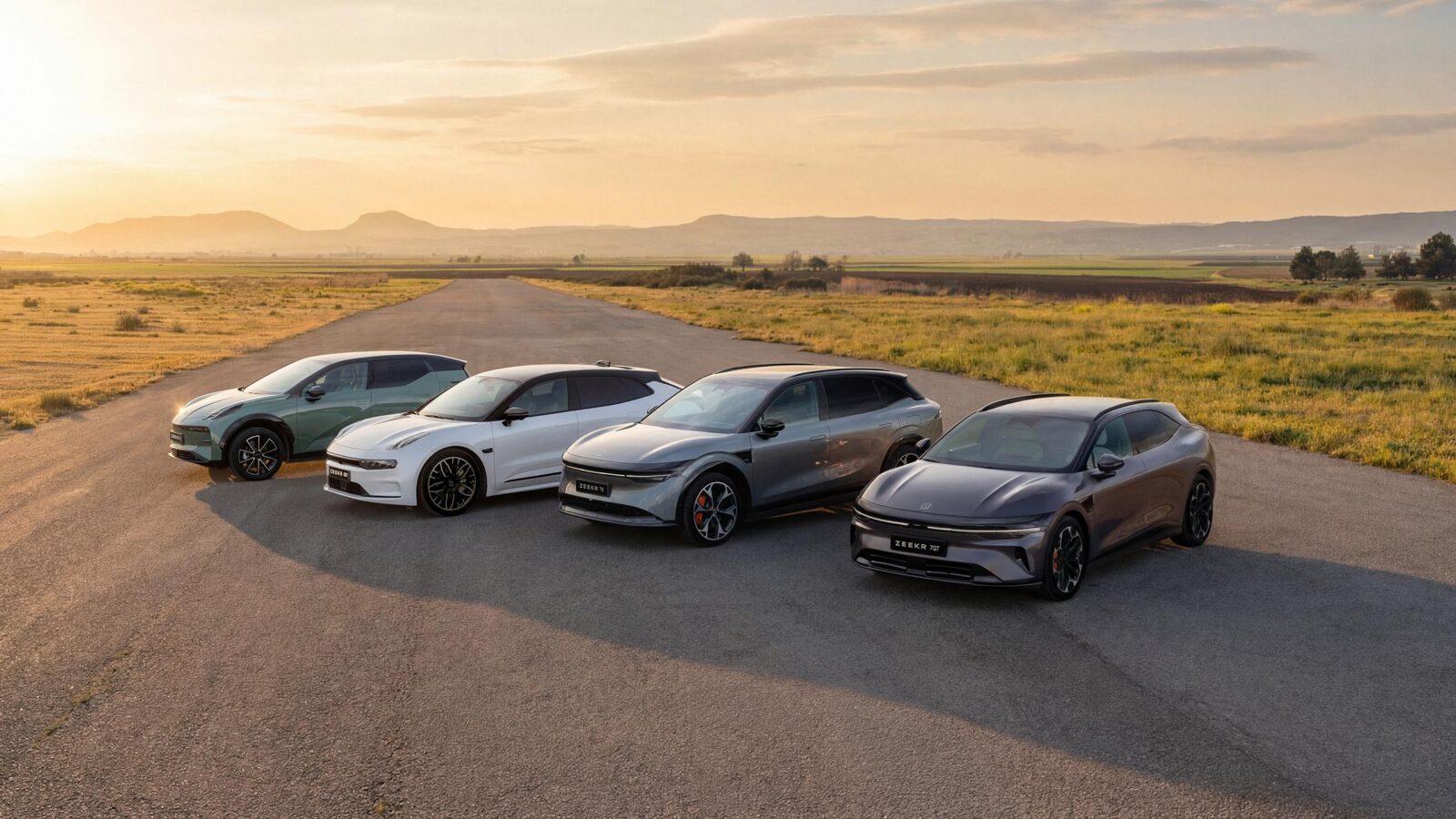

€224 for electricity. That’s what Zeekr says it spent on each of its two cars during a 24-hour driving event in France. The distance? A little over 2,000 kilometres per car.
It’s an interesting bill, particularly when you consider how quickly electric car running costs can change depending on where you plug in.
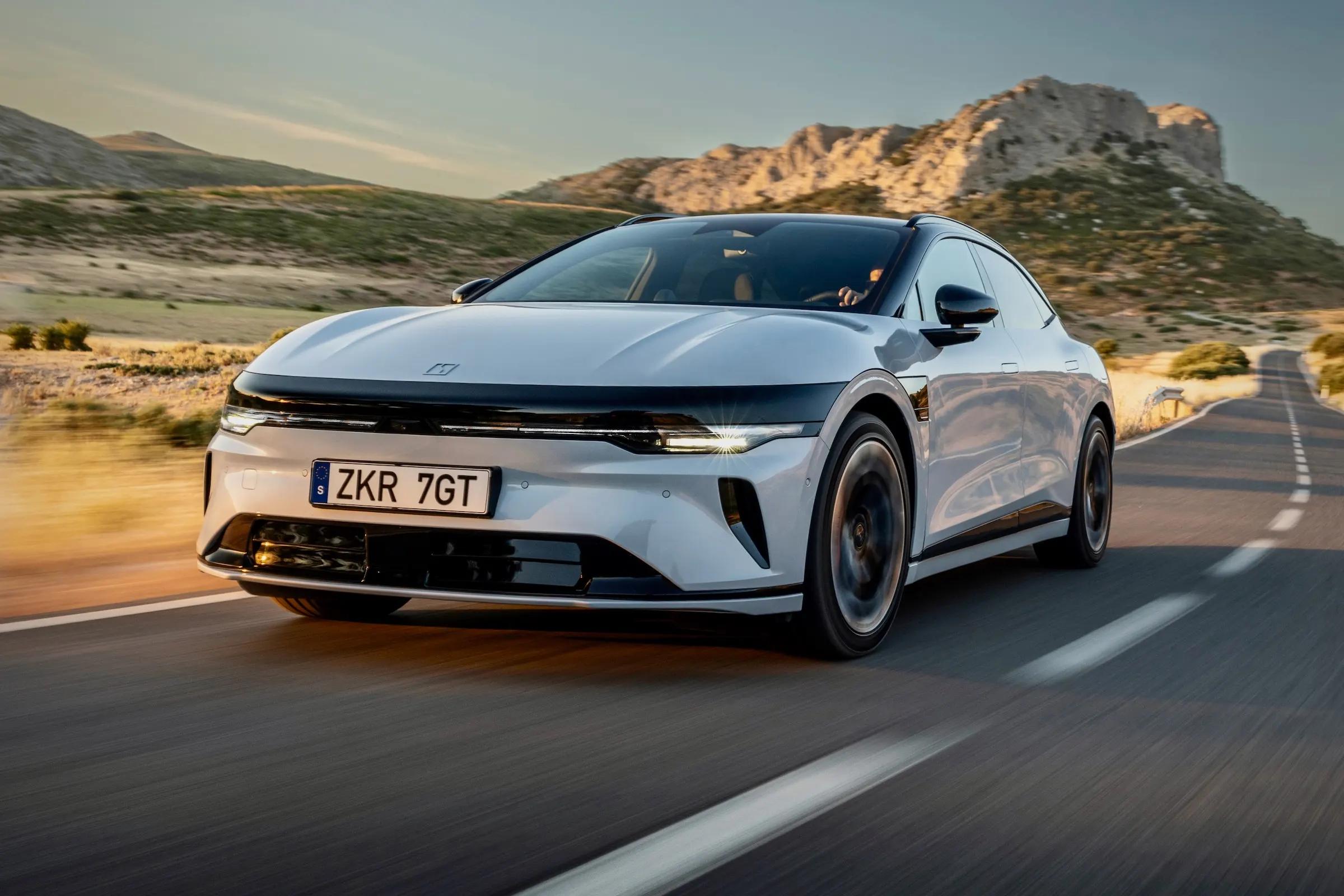
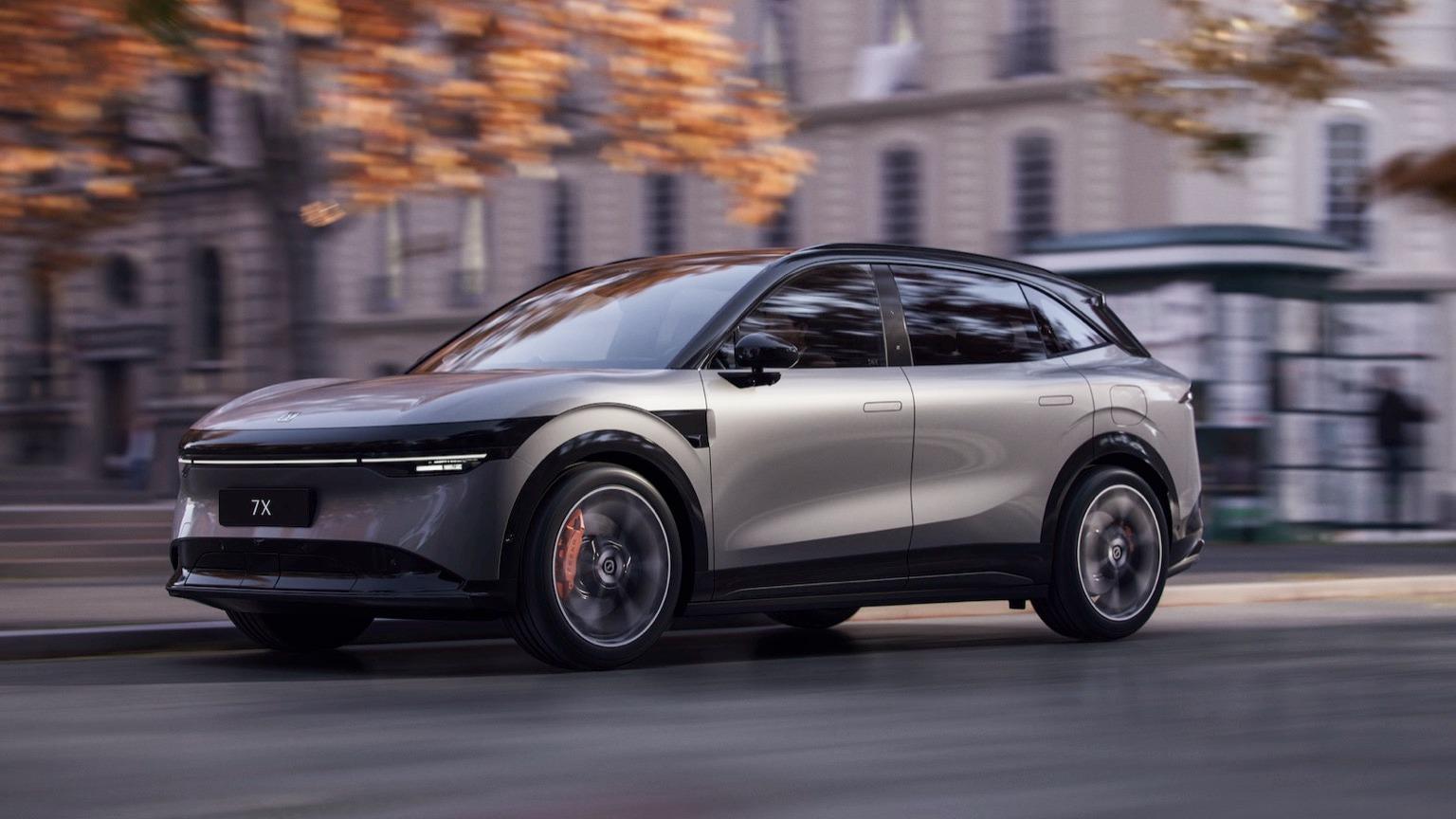
The event was called 24 Heures du GRA. Zeekr brought along its 7X SUV and 7GT, a lower, estate-like electric model. Both finished with more than 2,000 kilometres recorded, covering over 4,100 kilometres between them.
There was plenty of driving and surprisingly little waiting.
According to the manufacturer, the cars spent an average of one hour and 44 minutes charging throughout the event. No individual stop took as long as 16 minutes.
That would have sounded rather optimistic for an electric family car only a few years ago. The hardware explains much of it.
Zeekr uses an 800-volt electrical system in both models. The 7GT, fitted with its smaller 75 kWh battery, can recharge from 10 to 80 percent in a claimed 13 minutes. Choose the 100 kWh version and the quoted time rises to 16 minutes.
Those numbers assume a sufficiently powerful charger, of course.
And that’s where the €224 becomes interesting.
Divide it by 2,000 kilometres and you’re looking at roughly €11.20 per 100 kilometres. Not outrageous for a journey involving repeated high-power charging, but hardly the almost-free travel sometimes associated with electric cars.
Zeekr used a charging subscription. Someone paying standard rates at different public stations could receive a noticeably different bill.
A driver charging overnight at home might spend considerably less.
There’s also the question of how representative the event was.
Twenty-four hours of organised driving isn’t a normal road trip. The participants knew what they were doing, and charging arrangements could be planned around the challenge.
Try repeating the journey during a busy holiday weekend, with occupied chargers and unpredictable traffic, and the numbers might change.
Yet the charging time remains noteworthy.
Less than two hours plugged in while covering approximately 2,000 kilometres is a useful demonstration of what modern charging equipment can achieve.
The cost figure deserves equal attention.
For people who regularly travel long distances, knowing what electricity actually costs along the motorway may be more helpful than knowing the car’s maximum advertised range.